Loading...
Serving Modesto, CA and surrounding areas. (209) 447-0978
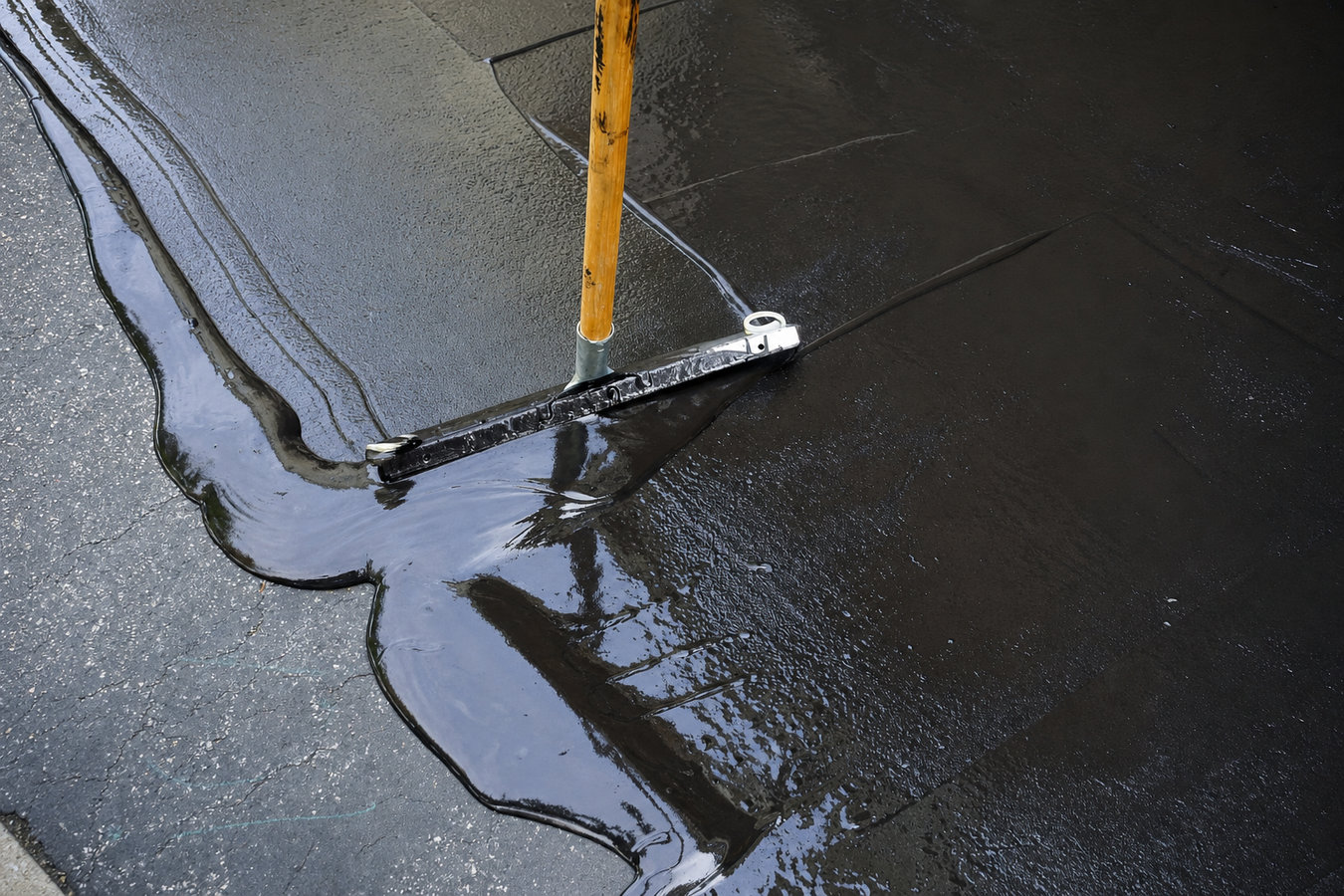
A cracked, faded driveway does not always need full replacement. If your base is still solid, resurfacing gives you a smooth, dark surface again at a fraction of the cost.
Asphalt resurfacing in Modesto means laying a fresh layer of hot-mix asphalt over your existing driveway or parking area. The old surface stays in place and the new layer bonds on top, giving you a smooth, solid surface again. Most residential driveways are finished in a single day, with a 48-hour wait before driving on the surface.
Resurfacing works well when the base underneath is still solid and the surface damage is in the top layer - cracking, fading, roughness, or minor low spots. It is a practical middle ground between patching individual cracks and tearing everything out to start over. If your surface is only showing early wear, our asphalt milling service can remove just the damaged top layer before a fresh overlay is applied.
A good contractor will walk your driveway and tell you honestly whether resurfacing is the right solution or whether the base has shifted enough to warrant full replacement. A trustworthy one will be honest about it even if replacement is the more expensive answer.
When asphalt fades from dark black to a dull gray, the protective binder has broken down and the surface is becoming fragile. In Modesto's intense sun, this process happens faster than in cooler climates. Once the surface starts to crumble at the edges or crack in a web-like pattern, resurfacing is usually the right next step.
Small cracks are normal over time, but when they start connecting and spreading across a large area, the surface layer is failing. If the driveway still feels firm underfoot with no deep ruts or sinking spots, the base is likely sound - which means resurfacing can fix the problem without the cost and disruption of a full tear-out.
Standing water means the surface has developed low spots from settling or uneven wear. Left alone, that water works into cracks and weakens the base - especially in Modesto's clay soils, which absorb water and shift seasonally. Resurfacing, combined with any needed grading corrections, stops that cycle.
If your driveway is rough, pitted, or uneven enough that it is hard to roll a trash can across it, scuffs up shoes, or makes noise when you drive over it, the surface has worn past the point where sealing alone will help. A fresh layer restores a smooth, functional surface.
Every resurfacing job starts with a surface assessment to confirm the base is sound. If it is, the crew cleans the existing surface, repairs any significant cracks or low spots, and applies a bonding tack coat so the new asphalt adheres properly. Then a paving machine lays the hot-mix asphalt in an even layer and a roller compacts it to a dense, smooth finish. Edges and transitions - where the driveway meets the garage, the street, or walkways - get careful attention since that is where poor work shows up first. For surfaces where the top layer has degraded beyond what an overlay alone can fix, we also offer asphalt milling to remove the damaged material cleanly before the new layer goes down.
Resurfacing is not the last step - it begins a maintenance cycle. Plan to have the new surface sealed about six months to a year after the job, and every two to three years after that. For ongoing lot care beyond the initial overlay, our pothole repair service handles spot fixes that come up between resurfacing cycles. In Modesto's climate, where UV exposure is high and summer heat is extreme, sealing is what keeps a resurfaced surface looking good for years longer.
Suits homeowners whose driveway has faded, cracked, or roughened but whose base is still structurally sound.
Suits property owners who need to restore a lot's surface and appearance without the disruption and cost of full removal.
Suits surfaces where the existing layer is too damaged to bond to cleanly and needs to be ground off before the fresh asphalt is laid.
Suits any freshly resurfaced surface in Modesto's high-UV climate that needs protection starting six to twelve months after the overlay.
Modesto sits in the heart of the San Joaquin Valley, where summer temperatures regularly climb well above 100 degrees F. Fresh asphalt stays soft and vulnerable to scuffing, tire marks, and indentations much longer here than it would in a cooler climate. Contractors in Modesto use early morning starts and advise homeowners to keep vehicles off a new surface for longer than standard guidelines suggest. Homeowners in Turlock and across the Central Valley face the same heat-related curing challenges.
Much of the Modesto area also sits on clay-heavy soils that swell when wet and shrink when dry. This seasonal movement stresses a driveway's base and causes cracking or unevenness over time - which is why some driveways here need resurfacing sooner than the national average. A contractor who understands local soil conditions will assess whether the base needs correction before laying new asphalt. Property owners in Ceres and nearby communities deal with the same clay soil conditions. Skipping that step is a common reason resurfacing jobs fail prematurely in this region.
Contact us and we will schedule a free visit to look at your surface in person. We walk the driveway or lot, check the base for soft spots or structural damage, and confirm whether resurfacing is the right solution. You get a written, itemized estimate - not a verbal ballpark.
On the day of the job, the crew cleans the existing surface thoroughly and repairs significant cracks or low spots. They apply a bonding tack coat - a thin, sticky layer that helps the new asphalt adhere to the old surface. This prep work is what separates a long-lasting job from one that separates within a few years.
The paving machine lays hot-mix asphalt in an even layer across the surface. A heavy roller compacts it, pressing out air pockets for a dense, smooth finish. The crew pays close attention to edges and transitions - the spots where poor work shows up first.
Keep vehicles off for at least 48 hours - longer in summer heat. Your contractor will give you a specific timeline before leaving. They will also advise when to schedule the follow-up sealcoating, typically six to twelve months after the resurfacing is complete.
We will visit in person, check your base, and give you an honest answer - resurfacing or replacement, whichever makes sense. Free estimate, no obligation.
(209) 447-0978We walk your driveway in person and tell you straight whether resurfacing will hold or whether the base needs more work first. We would rather give you an honest answer upfront than take your money on a job that will not last.
Every resurfacing job gets a thorough tack coat application before the new asphalt goes down. Skipping that step is the most common reason overlay jobs separate from the existing surface. We do not skip it.
We schedule around Modesto's summer heat, advise appropriate cure times for our climate, and use materials suited to high-temperature conditions. The National Asphalt Pavement Association provides technical standards our process follows.
California requires a state contractor's license for this type of work. We carry general liability and workers' compensation insurance. You can verify any contractor's license at cslb.ca.gov before signing anything.
Every project gets the same written estimate, the same prep-first process, and the same post-job guidance on sealing and maintenance. That is how we protect your investment and keep your driveway in good shape through Modesto's demanding climate.
Targeted patching for individual potholes and damaged sections between full resurfacing cycles.
Learn MoreGrinding off the damaged top layer to create a clean, level surface before a fresh overlay is applied.
Learn MoreSpring scheduling fills up fast - get your estimate now while the ideal paving window is still open and your driveway can be done in the best conditions.